
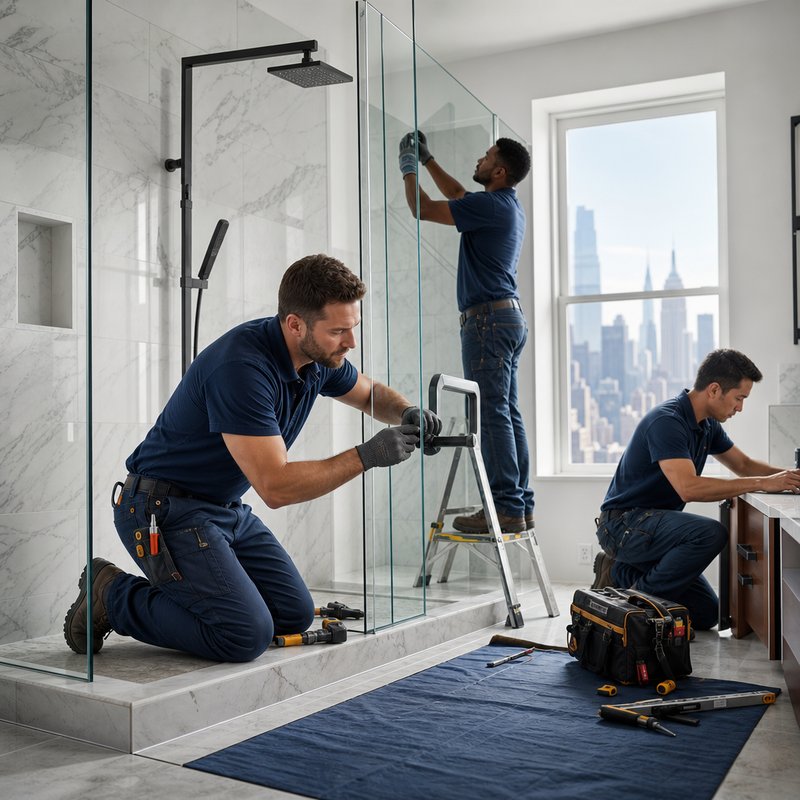
Shower Remodel
Shower remodel professionals - renovate, reline, install, replace and repair. No job too big or too small.
Learn More →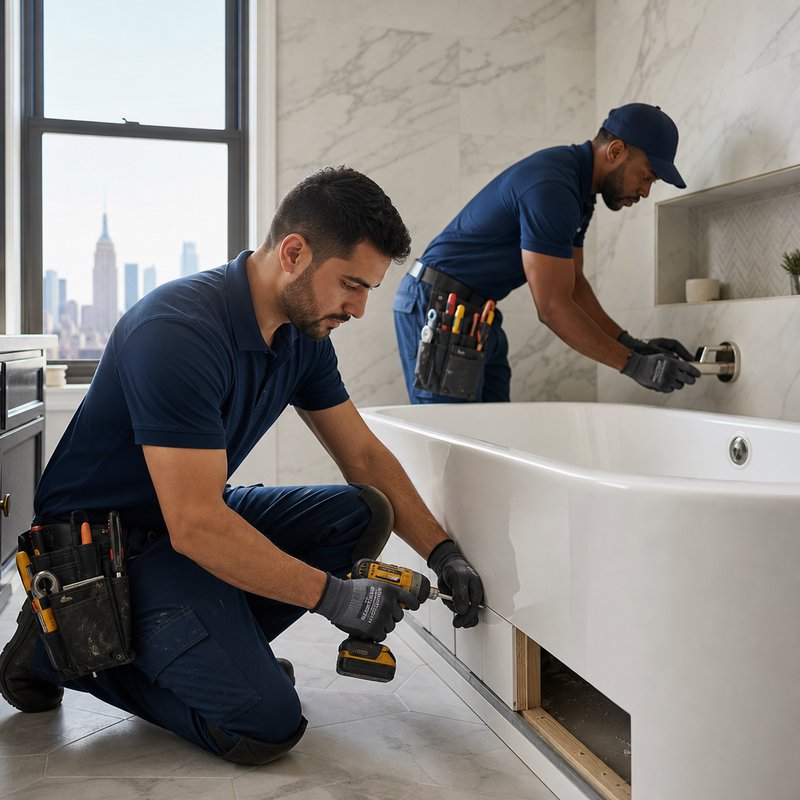
Bathtub renovation professionals - reline, remodel, installation, replacement and repair. No job too big or too small.
A lot of New York bathrooms were built in the 1970s and 80s, and the tubs that came with them are still in use today. That original porcelain or cast iron finish has taken decades of soap scum, hard water mineral deposits, and scrubbing — and it shows. At {{businessName}}, we handle everything from professional reglazing of a worn acrylic tub to full cast iron replacement and tile surround installation. We work with materials suited to New York's older building stock, including pre-war co-ops and post-war rental conversions where plumbing access is tight and floor structures need careful consideration.
New York City's water supply is notoriously hard in certain boroughs, which accelerates staining and etching on tub surfaces faster than homeowners expect. If your tub has gone from white to a dull yellow, developed hairline cracks in the enamel, or the caulk line along the surround has turned black and keeps coming back no matter how many times you reclean it — those are signs the surface itself needs attention, not just cleaning. We resurface using a spray-applied urethane or epoxy coating system that bonds directly to the existing substrate, or we remove and replace the unit entirely depending on the condition. We also offer shower remodel services if you're considering converting your tub-shower combo into a dedicated shower space.
The work we do goes beyond surface-level. A bathtub renovation typically involves removing the old surround tile or panels, inspecting the backer board and subfloor for moisture damage — which is common in older New York apartments where grout has been failing for years — and rebuilding the wall assembly with cement board before tiling. We use large-format porcelain tile, subway tile, and natural stone depending on your layout and budget, and we finish every tub surround with a waterproof grout and sealant application. The result is a bathroom that looks new and, more importantly, holds up against daily use and humidity.
A step-by-step look at what actually happens during a bathtub renovation
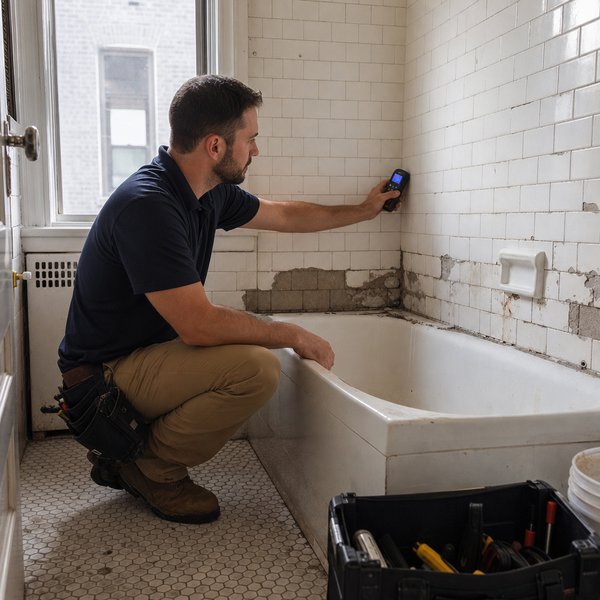
We start by inspecting the existing tub, surround walls, and subfloor before any demolition begins. In older New York buildings, failed grout and cracked caulk often mean water has been sitting behind the tile for months — sometimes years. We probe the backer material and check for soft spots in the subfloor so there are no surprises once the tile comes off.
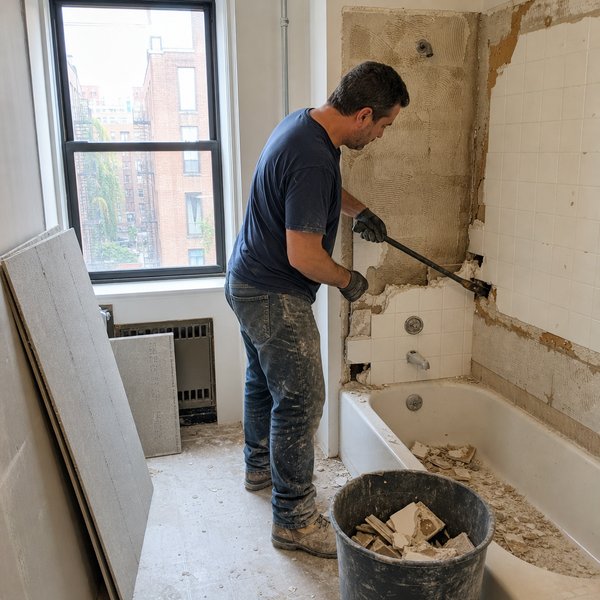
Old tile, panels, and damaged backer board come out first. We protect the bathroom floor with heavy-duty drop sheets and contain dust as much as possible — important in shared apartment buildings where neighbors are close. Any compromised drywall or greenboard is replaced with cement board, which is screwed and taped to create a solid, moisture-resistant surface for the new tile.
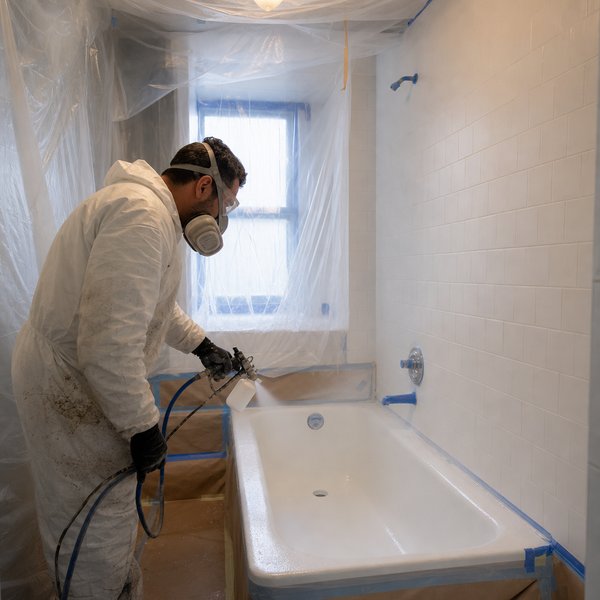
If the tub structure is sound, we apply a multi-step reglazing process — cleaning, etching, priming, and spraying on a bonding topcoat in the color of your choice. If the tub itself needs to go, we disconnect the drain and overflow, remove the unit, and set the new tub in a mortar bed for stability before reconnecting the plumbing. Cast iron tubs in pre-war buildings sometimes require two people and careful maneuvering through tight hallways.
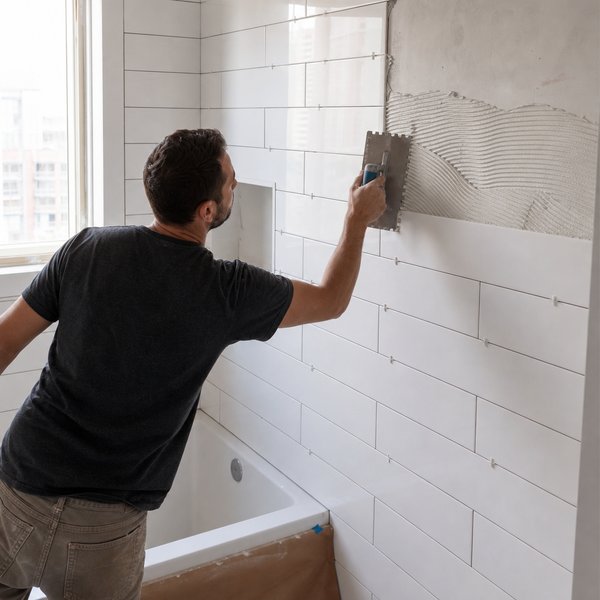
Tile goes up in sections, set with a polymer-modified thinset mortar and spaced with uniform tile spacers for clean grout lines. We use unsanded grout on joints under 1/8 inch and sanded grout on wider joints, then seal everything once cured. The final step is a continuous bead of silicone caulk at every change of plane — the tub-to-wall joint, inside corners, and around fixtures — which flexes with the building's movement instead of cracking like grout would.
Real outcomes for your bathroom — not just a fresh coat of paint
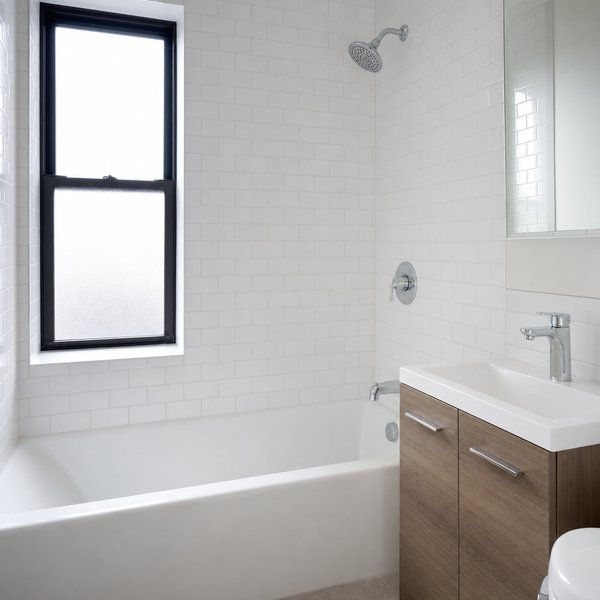
When the old surround comes down and the backer is rebuilt correctly with cement board and waterproof membrane, you eliminate the hidden moisture problem that was feeding mold growth. New York apartments with poor ventilation are especially prone to this — a proper renovation stops the cycle instead of just cleaning the surface. You get a bathroom that's genuinely clean, not just one that looks clean.
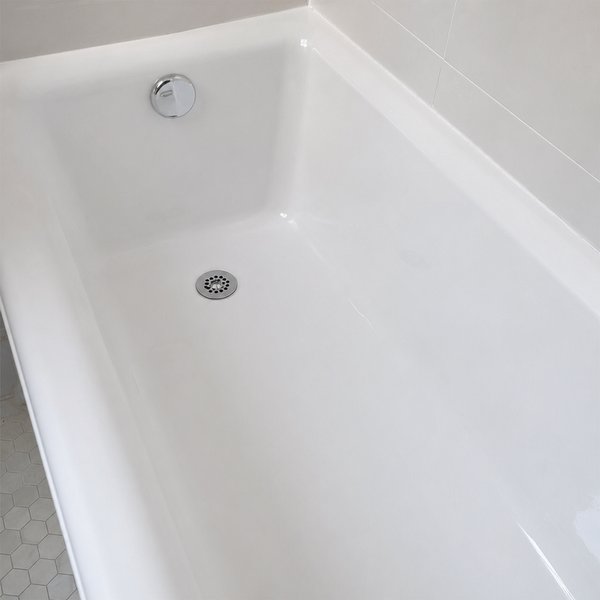
A professionally reglazed or replaced tub surface is far less porous than the worn original finish, which means hard water minerals and soap residue wipe off instead of bonding to the surface. In New York, where mineral buildup is a real issue, this makes a noticeable difference in how easy the tub is to maintain week to week. Most reglazed surfaces, when cared for properly, last 10 to 15 years before they need attention again.
A bathtub renovation can completely change how a bathroom feels without knocking down walls or moving plumbing. Replacing a cramped 5-foot tub with a soaking tub, or converting a rarely-used tub into a full walk-in shower, gives you a bathroom that actually fits how you live. The work is typically completed in three to five days, so you're not without a functioning bathroom for weeks.
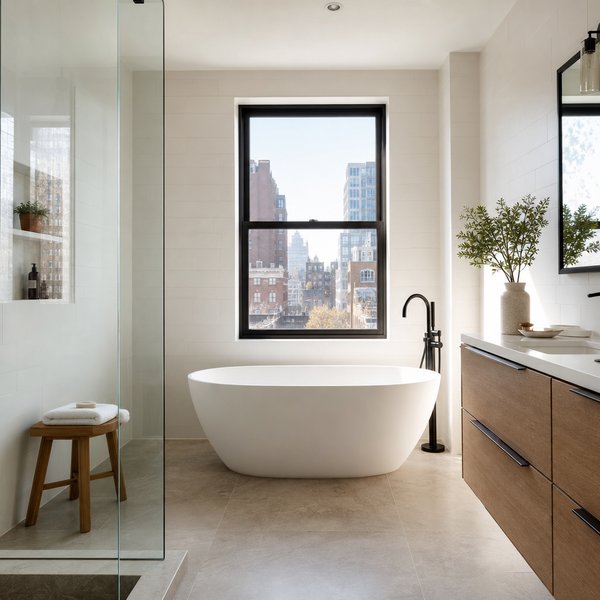
Pre-war cast iron tubs, post-war tile over drywall, and 1980s acrylic surrounds all require different approaches. {{businessName}} has worked in co-ops, condos, and rental units across the five boroughs, and we understand the quirks — tight hallways, building access restrictions, and older plumbing configurations that don't match modern fixture specs. That experience means fewer surprises and cleaner work.
We don't hand off the tiling to a third party after the demo is done. The same crew that removes the old surround sets the new tile, which means the waterproofing details, grout joint alignment, and caulk work are all handled by people who understand the full scope of the job. That continuity shows in the finished result.
We'll tell you if reglazing is the right call or if replacement is the better long-term investment — even if replacement is the more expensive option. We've seen too many reglaze jobs done over surfaces that weren't suitable, and they fail within a year. You get a straight answer based on the actual condition of your tub, not on what's easier for us to sell.
Working in occupied New York apartments means managing dust, noise, and building access carefully. We seal off work areas, schedule noisy demolition within building-permitted hours, and clean up at the end of every day. Your neighbors and your building super won't have complaints — that matters in a city where your relationship with the building matters long after the renovation is done.
Common questions answered
A standard tub surround tile renovation — demo, backer board install, tiling, and grouting — typically takes three to five days from start to finish. If we're also replacing the tub itself or doing subfloor repairs, add one to two days. We work around building access hours and elevator bookings, which is a real factor in most Manhattan and Brooklyn co-ops.
Reglazing applies a new bonding topcoat over the existing tub surface — it's faster and less disruptive, but only works if the tub structure itself is in good condition with no major cracks or chips. Replacement makes sense when the tub is damaged beyond surface repair, when you want a different size or style, or when the plumbing needs updating at the same time. We'll tell you honestly which option makes sense after we see the tub.
Yes, cast iron is actually one of the best surfaces to reglaze because it's dense and holds the coating well. The challenge with pre-war buildings is usually access — cast iron tubs are extremely heavy and were often installed before interior walls were finished. If the tub is structurally sound, reglazing is almost always the better option over trying to remove and replace it.
Recurring black mold on caulk lines is usually a sign that water is getting behind the surround, not just sitting on the surface. If the backer board is compromised or the original tile was set over regular drywall, moisture soaks through and feeds mold from behind. Recaulking over and over won't fix it — the surround needs to come down so the wall assembly can be rebuilt with a proper waterproof substrate.
Most co-ops and condos require you to submit an alteration agreement before starting any bathroom work, even if it doesn't involve moving plumbing. The building will typically want proof of insurance and sometimes a licensed plumber sign-off if fixtures are being changed. We're familiar with this process and can provide the documentation most boards ask for.
We provide bathtub renovation throughout Nationwide and surrounding suburbs
Explore our other professional services